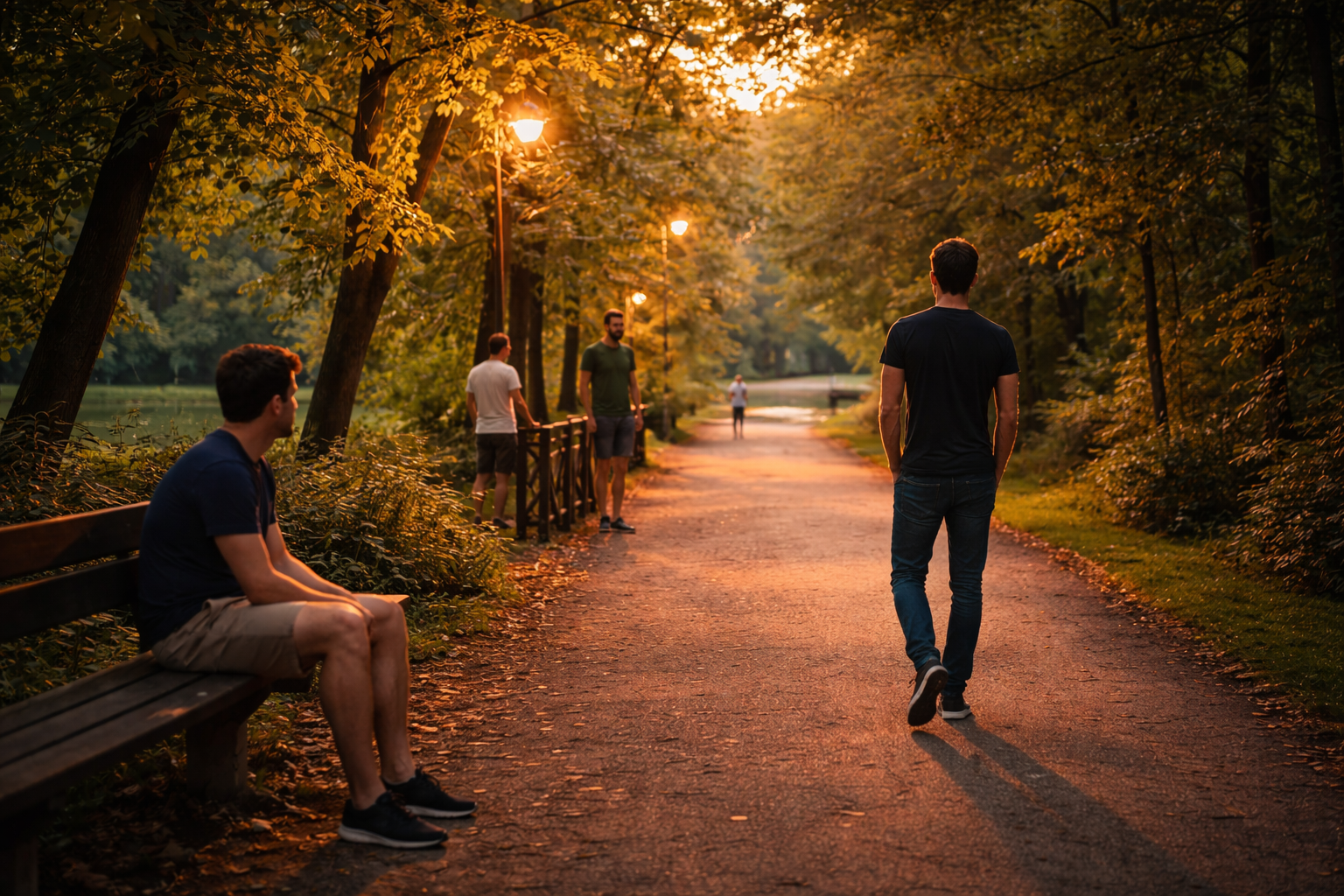
What Gay Cruising Actually Is
Let's start with what cruising is not. It's not random. It's not reckless. And it's not something that only works for a certain type of man. Gay cruising is a structured system of mutual identification between men who are interested in each other, conducted almost entirely through nonverbal communication - eye contact, body language, positioning, and timing.
That system has existed for generations. It evolved because it had to - when being caught meant real danger, gay men developed a sophisticated language of signals that allowed them to find each other silently, test for interest incrementally, and preserve plausible deniability at every stage. Those signals are still in use today, in parks, saunas, gyms, rest stops, bars, and beaches around the world.
The men who cruise successfully are not braver, better looking, or luckier than the men who don't. They simply understand the system. They know what the signals are, they know how to read them, and they know how to respond. That's the entire difference.
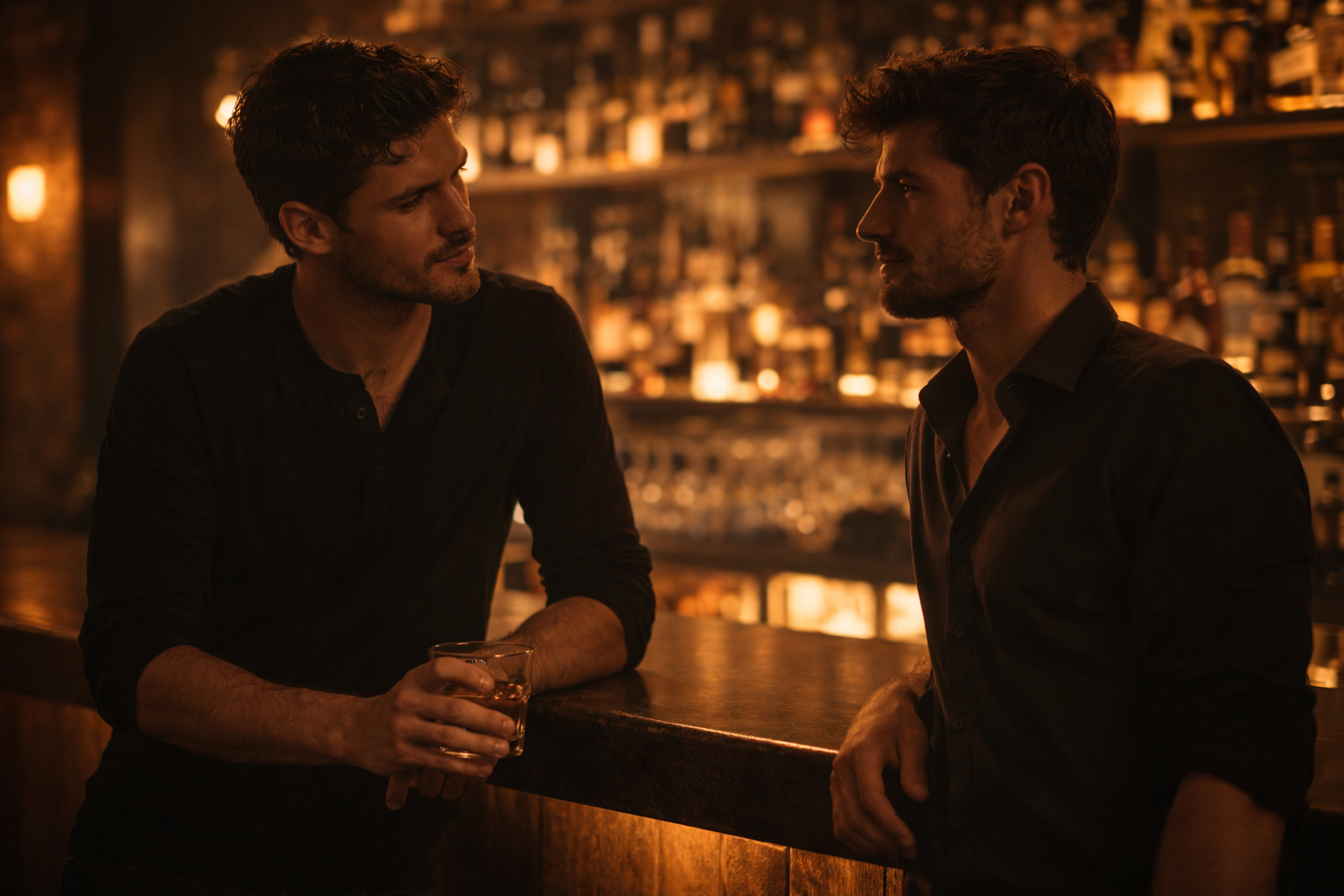
The Four Phases Every Encounter Follows
Whether it happens in a London park, a Chicago sauna, or a beach in Barcelona, every cruising encounter moves through the same four phases. Understanding these phases is the foundation of everything.
Presence
Being in the right space and signalling through your positioning and pace that you're aware and available. This is about how you occupy a space - relaxed, unhurried, visually open to the men around you.
Signalling
The exchange of nonverbal cues that establishes mutual interest. Sustained eye contact, body orientation, proximity - a wordless conversation where each round increases commitment.
Approach
One man closes the physical distance. This is the transition from signalling at range to being in each other's space - drifting closer, sitting nearby, positioning yourself alongside him.
Escalation
Physical proximity becomes physical contact. A brush of the arm, a reciprocated touch, a relocation to somewhere more private. Both men move forward together, by mutual consent.
The Signals That Start Everything
The primary signal in cruising is eye contact. But not just any eye contact - cruising eye contact has three specific characteristics that distinguish it from a casual glance.
Duration
He holds your gaze one to three seconds longer than a normal glance. Long enough that you feel it. That extra beat is deliberate.
Return
He looks away, then looks back. This repetition turns a single glance into a pattern - and patterns confirm genuine interest.
Quality
The gaze has focus and intention behind it. He's not just looking in your direction - he's looking at you. There's an intensity you can feel.
Body Confirmation
His body reinforces the eye contact - angled toward you, posture open, pace adjusted. When the body matches the eyes, interest is real.
Beyond eye contact, experienced cruisers read a range of secondary signals: pace matching (adjusting walking speed to stay near you), route mirroring (following the same path through a space), looping (passing by you multiple times), and stationary positioning (choosing to linger with a clear sightline to where you are). Each reinforces what eye contact begins.

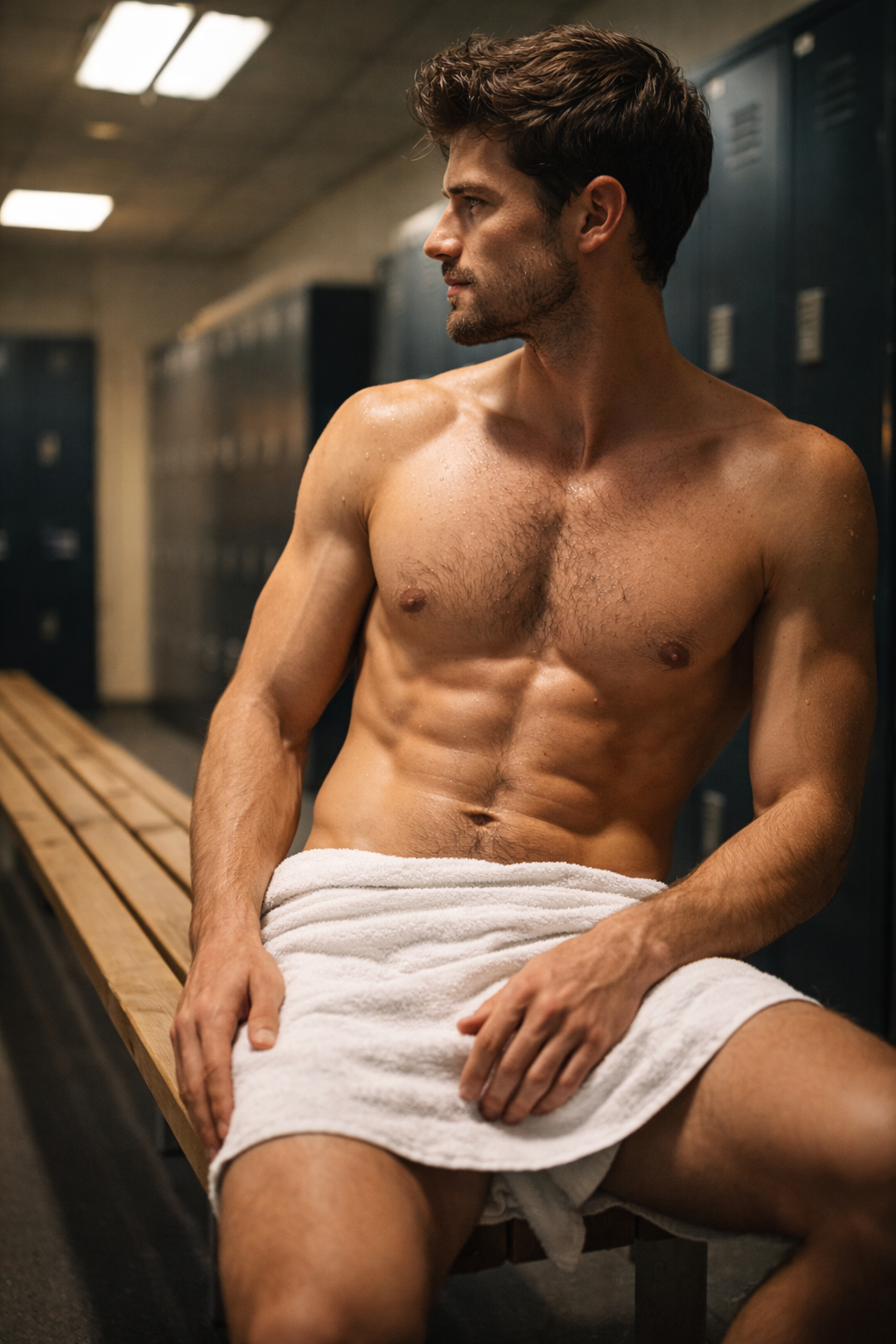
Where It Happens - and When
Cruising happens across a wide range of environments, and each one has its own rhythm, its own culture, and its own optimal timing. Parks peak in the late afternoon and evening hours. Saunas and bathhouses are busiest on weekend nights. Gym locker rooms tend toward off-peak hours when the space is quieter. Rest stops have sporadic activity throughout the day and night. Beaches are seasonal and weather-dependent, concentrated in sections away from families.
Knowing where to go is important. But knowing when to go - and where within a space to position yourself - is what separates the man who finds what he's looking for from the man who walks around for an hour and sees nothing.
Why Most Men Get It Wrong
The men who struggle with cruising are almost always making the same handful of mistakes. They misread casual glances as cruising signals and approach men who aren't interested. They position themselves in the wrong part of a space, invisible to men who are actually cruising. They go at the wrong times and find empty spots. They escalate too quickly, or not quickly enough. They violate etiquette they didn't know existed, and men avoid them without ever explaining why.
None of these are character flaws. They are information gaps. Every single one can be fixed with the right knowledge, and once they are fixed, the places you already go start working. The men you were already making eye contact with were often interested. The only thing missing was the system.
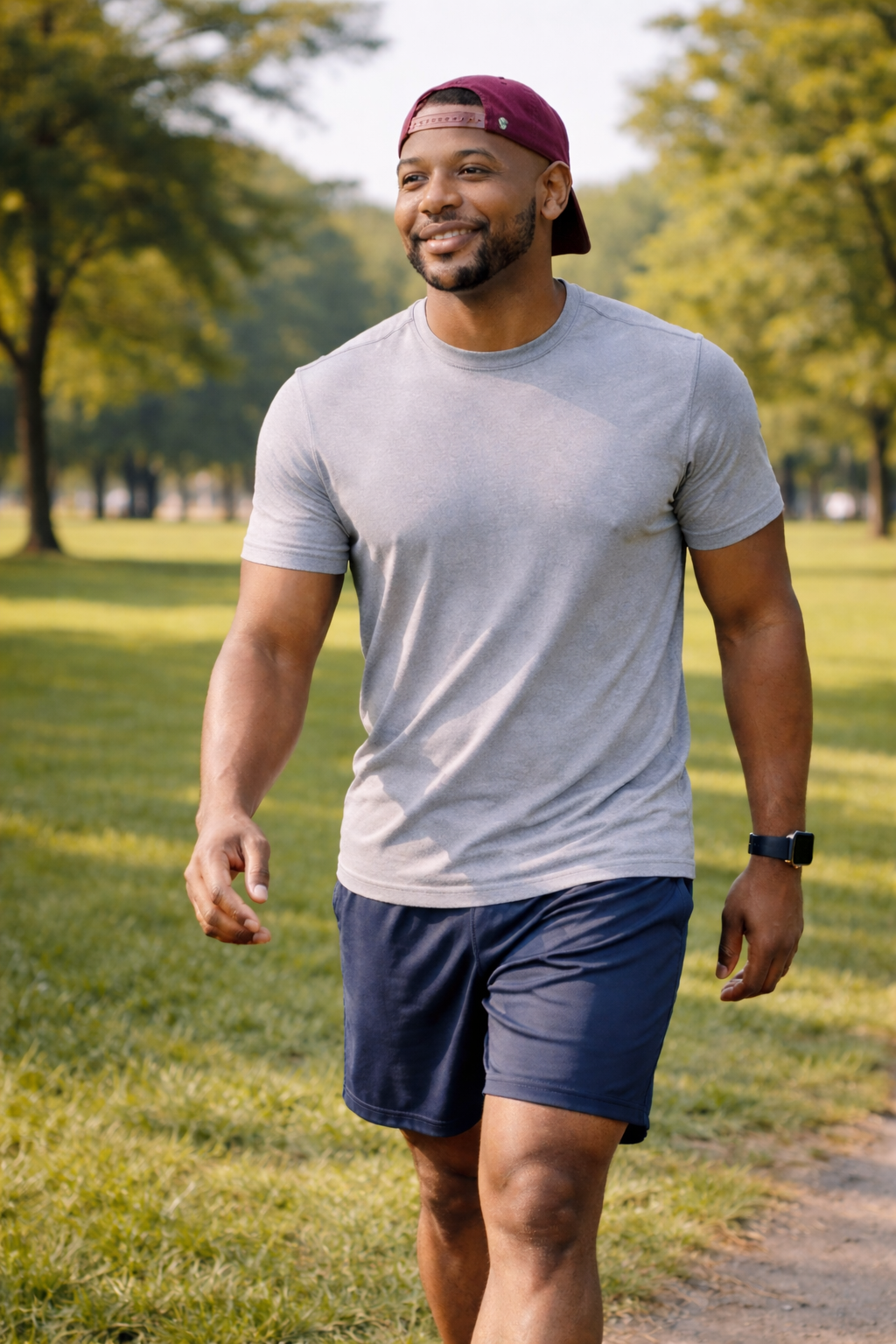
Jason Hartwell
Jason spent years in exactly the situation described above - going to the right places, making eye contact with willing men, and coming home with nothing. After a decade of direct experience across parks, bars, saunas, apps, and rest stops in multiple cities and countries, he systematised everything he learned into a single, practical guide.
The Guide That Fixes Everything
Cruising Formula is the complete system in one guide - 13 chapters covering every signal, every location, every phase of the approach, every etiquette rule, and every safety protocol. It was written by a man who figured it all out through years of trial and error, and distilled it into a resource you can read in a single sitting and apply the same week.
It covers signal recognition in detail - the exact eye contact patterns, body language cues, and response tests that tell you whether a man is interested before you make your move. It covers location strategy for every environment - parks, rest stops, gyms, saunas, bars, beaches - with specific guidance on timing, positioning, and expectations. It covers the silent approach, the wordless escalation from eye contact to action. It covers etiquette, safety, privacy, and cruising abroad.
Thousands of gay men have already used it. The average rating is 4.9 out of 5. Most readers report a noticeable difference within the first week of applying what they've learned.